Your operation needs regular sanitation protocols customized for unique hazards, processing volumes, food allergens, and regulatory visits, with auditable records confirming HACCP requirements, compliance audits, and public health regulations. The information following give details about essential cleaning protocols.
Key Takeaways
- Sanitation professionals in Brampton support restaurants, grocery departments, commissaries, warehouses, bakeries, schools, mobile vendors, and allergen-sensitive operations.
- Sectional methods sanitize frequently contacted areas, food-contact equipment, kitchens, floors, drains, restrooms, and storage areas for reducing cross-contamination.
- Approved sanitizer dilution, suitability, and contact time are verified by trained vendors, with conclusion filed via checks, inspections, and action records.
- Maintenance schedules must follow danger, production volume, changeovers, releases, and standards, with routine, regular, and cyclical tasks distributed by section.
- Insurance, coded implements, HACCP, health regulatory understanding, WHMIS education, testimonials, and assessment-ready hygiene documentation are important contractor characteristics.
Brampton Facilities That Need Food Safety Cleaning: Which Ones?
You must follow food safety cleaning if your establishment is subject to public health inspection, food premises regulations, or internal HACCP-based controls. This covers food venues, break rooms, food centers, supermarket areas, butcheries, seafood displays, shops, and commercial food prep.
You'll additionally need proper hygiene protocols in distribution warehouses, production plants, frozen storage areas, commercial bakeries, educational meal programs, banquet venues, and food delivery services. Mobile and temporary businesses matter as well, like catering trucks, festival vendors, and pop-up food booths. Should your employees handle raw materials, divide prepared dishes, warm finished meals, or maintain allergen storage, your facility requires established hygiene documentation. In Brampton, hygiene remains necessary; it forms regulatory, business, and safety adherence.
What Do Brampton Cleaning Experts Clean?
Professional cleaning teams specializing in Brampton disinfect high-contact surfaces, kitchen facilities, ground surfaces, and sanitary facilities to satisfy food safety standards and health requirements. Focus on pertinent details these locations stems from extreme cross-contamination risk, potential for accidents, and compliance issues.
If you grasp what they sanitize, you'll successfully ensure your operation satisfies all operational and regulatory compliance needs.
Critical High-Touch Surface Cleaning
Brampton janitorial experts emphasize high-touch surface disinfection because these touch areas can spread pathogens and contaminants throughout a establishment. You must have a documented schedule for disinfecting all high-touch items including handles, plates, switches, railings, control surfaces, POS systems, and refrigeration equipment. Applying surface identification mapping, teams identify every high-traffic area and set cleaning intervals
Maintaining a sequential workflow, changing wipes, and keeping sanitization equipment by section ensures that cleaning remains measurable, justified, and compliance-ready continuously
Food Prep Areas, Flooring, and Sanitary Facilities
Professional cleaners in Brampton concentrate on kitchens, floors, and restrooms given that each location involves specific contamination control, slip-and-fall, and public health requirements. In industrial kitchens, you need grease removal from cooking stations, appliance surfaces, drain systems, preparation areas, and backsplashes to minimize bacterial growth and pest activity.
Professional floor upkeep with documentation is also included. is likewise provided as part of the service.
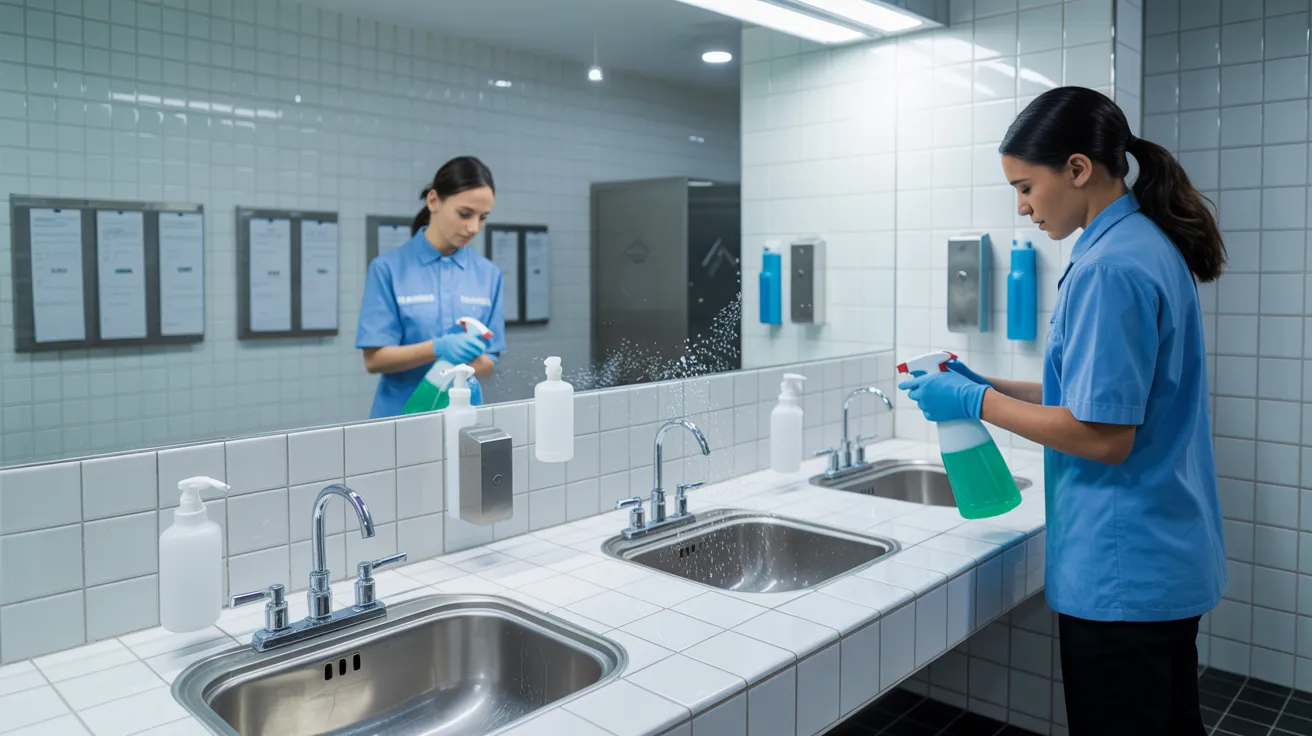
For restroom sanitation, cleaners disinfect high-touch surfaces, bathroom fixtures, stall dividers, supply dispensers, and trash receptacles, then refill items and eliminate smells. They also maintain restaurant cleaning supply rooms where product storage, sink cleanliness, and drain systems impact daily sanitation standards and worker protection.
Food Safety Cleaning Significance for Brampton Businesses
Brampton businesses need to establish proper sanitation practices for satisfying legal standards and obtaining approval. You also reduce bacterial spread through proper cleaning of food-preparation surfaces, appliances, and frequently-touched items. Most importantly, you help protect public health by lowering the risk of foodborne illness in your facility.
Sanitary Standards Adherence
Food operations in Brampton face rigorous sanitary regulations, making food safety cleaning critical to fulfilling health code requirements, safeguarding patrons, and eliminating enforcement action. You must maintain sanitized food contact points, recorded sanitation plans, appropriate product handling, and traceable training practices that meet municipal and provincial inspection expectations.
Proper sanitation facilitates cross-contamination prevention by limiting contaminants on mutual appliances and high-touch areas.
Cross-Contamination Management
Following regulatory requirements depends on your ability to prevent cross-contamination in routine food work and sanitation. You should isolate raw items from prepared foods, sanitize prep surfaces between tasks, and maintain separation of cleaning products from food. Clear procedures reduce transfer risks and support consistent compliance during inspections.
You should implement allergen segregation to prevent major allergens from touching common work areas, storage bins, or tools. Use dedicated cutting boards, color-coded tools, and strict utensil labeling so staff don't mix items throughout cooking or serving. Mandate washing hands following uncooked proteins, shellfish, egg items, or allergen products. Replace wiping cloths regularly, and check disinfectant potency using test kits. When staff members receive training on these procedures every shift, you build a more hygienic, secure workplace that satisfies Brampton's safety standards consistently.
Community Health Protection
Should cleaning standards collapse, you don't simply encounter inspection problems—you increase the potential of foodborne illness harming customers, staff, and the wider Brampton community. You also undermine your responsibility in safeguarding community wellness, especially in busy food facilities where pathogens travel quickly through surfaces, equipment, and touchpoints.
You need sanitation procedures that eliminate contaminants, sanitize correctly, and verify results. That requires adhering to exposure periods, using approved disinfectants, documenting schedules, and educating employees to meet regulatory standards. These controls support disease prevention by lowering microbial loads before they reach food or hands. In Brampton, rigorous cleaning shields at-risk groups, prevents disease spread, and helps you demonstrate proper care. When you maintain proper standards, you exceed basic requirements—you actively reduce risk and promote secure food handling throughout the region.
How Can Cleaning Practices Ensure Food Safety Compliance?
Implementing thorough cleaning protocols bolsters food safety compliance by lowering contamination exposure, limiting pathogen development, and positioning your facility in accordance with sanitation requirements under HACCP-based programs and public health regulations. You ensure that contact surfaces remain visibly clean and microbiologically controlled, facilitating documented preventive controls and inspection readiness.
Effective cleaning also reinforces allergen management by extracting residues that can cause undeclared allergen exposure. by eliminating residues that can trigger undeclared allergen exposure.
What's the Right Time to Schedule Commercial Cleaning?
cleaning routines or between work periods wherever surfaces contacting food, bathroom facilities, and frequently touched surfaces
Schedule drains, vents, storage racks, and hard-to-reach equipment zones every week or monthly, using inspection findings and sanitation records.
How Do You Choose Brampton Cleaning Experts?
Evaluate providers first by food-safe sanitation requirements rather than cost. You must ensure each provider understands CFIA, public health, and HACCP-aligned expectations for your business. Request insurance proof, WHMIS compliance, staff training documentation, and supervision methods. Check technician awareness of contamination prevention, chemical handling, and traceable sanitation records.
You must also evaluate operational reliability and oversight. Seek references from food facilities in Brampton, then assess response times, corrective processes, and communication quality. Ensure the company supports supplier audits and can provide inspection-compliant records when authorities or third parties demand verification. Verify equipment is maintained, color-coded items are deployed correctly, and operational-specific risks are understood. A qualified provider protects compliance, product safety, and your brand reputation.
Which components are part of a Food Safety Cleaning Plan?
Develop a written plan that clarifies every sanitation task, standard, and responsibility prior to production start. You should outline cleaning frequencies, approved chemicals, dilution rates, contact times, tools, and verification methods for each location, surface, and apparatus. Include pre-operational inspections, corrective actions, and employee training requirements.
Your plan should also tackle prevention of contamination, waste management, pest-control tactics, and scheduled records for facilities, drains, flooring, and food-preparation surfaces. Specify how you'll separate raw and ready-to-eat processes, facilitate ingredient tracking, and keep accurate allergen labeling through validated cleaning between product changes. You should establish accountability, keep signed records, and assess results against regulatory standards, HACCP controls, and customer requirements. When gaps appear, update procedures immediately and retrain staff.
Frequently Asked Questions about the Plan
Will cleaning services handle nighttime hours at Brampton facilities?
If you run regulated facilities, you'll also need records that support inspections and ensure compliance.
Do sanitation professionals provide emergency spill response solutions?
Yes, you can find Brampton sanitation professionals to provide emergency spill response solutions. They handle hazard containment, evaluate dangers, contain contamination, and begin swift cleanup to reduce exposure and business interruption. You should verify arrival timeframes, professional credentials, PPE protocols, and waste management. If your facility must meet health or food safety regulations, select a service that documents incidents, follows compliant sanitation standards, and enables compliance verification.
Can green disinfectants be deployed safely on surfaces contacting food?
In essence, plant-based sanitizers prove safe for food preparation areas provided you select items marked food-safe that satisfy regulatory standards. Check exposure duration, concentration levels, and rinse requirements in advance of use. Botanical formulations minimize chemical hazards, although you should obtain evidence of effectiveness against relevant pathogens. To ensure residue free surfaces, adhere to manufacturer directions precisely and ensure the cleaning agent meets food industry regulations.
Can maintenance plans be customized for seasonal production changes?
Yes, you can tailor sanitation programs for production fluctuations. You should modify intervals, staff levels, chemicals, and verification steps to fit seasonal workflows while upholding compliance standards. You'll lower equipment downtime by organizing disinfection around production shifts, peak seasons, and equipment use patterns. You should also update standard operating procedures, employee training, and environmental monitoring to account for periodic risks, emerging allergens, or increased soil loads. Periodic assessments keep your schedule current.
Will professional cleaning services teach your staff on hygiene best practices?
Certainly, commercial cleaners coach your staff on hygiene protocols. You secure employee development on correct chemical practices, processing times, cross-contamination prevention, machine disassembly, and documentation. They typically align coaching with HACCP, GMP, and CFIA or local public health requirements. Many also run health assessments to check standards, identify gaps, and strengthen corrective measures. This enables you to copyright standard processes, satisfy audits, and minimize foodborne pathogen risks daily.
Final Thoughts
Partnering with Brampton commercial cleaning and food safety experts means more than cleaning—it ensures your facility stays inspection-compliant and your protocols are defensible. From processing facilities to kitchens, each cleaned area and organized section lessens contamination risk and prevents major expenses. By arranging service on appropriate schedules and implementing a thorough cleaning program, you protect your workforce, your customers, and your image. In a tightly controlled market, sanitary conditions can't be overlooked—they're vital to proper management.